
Posted on 12/01/2026
Written by the CSG Composites Team
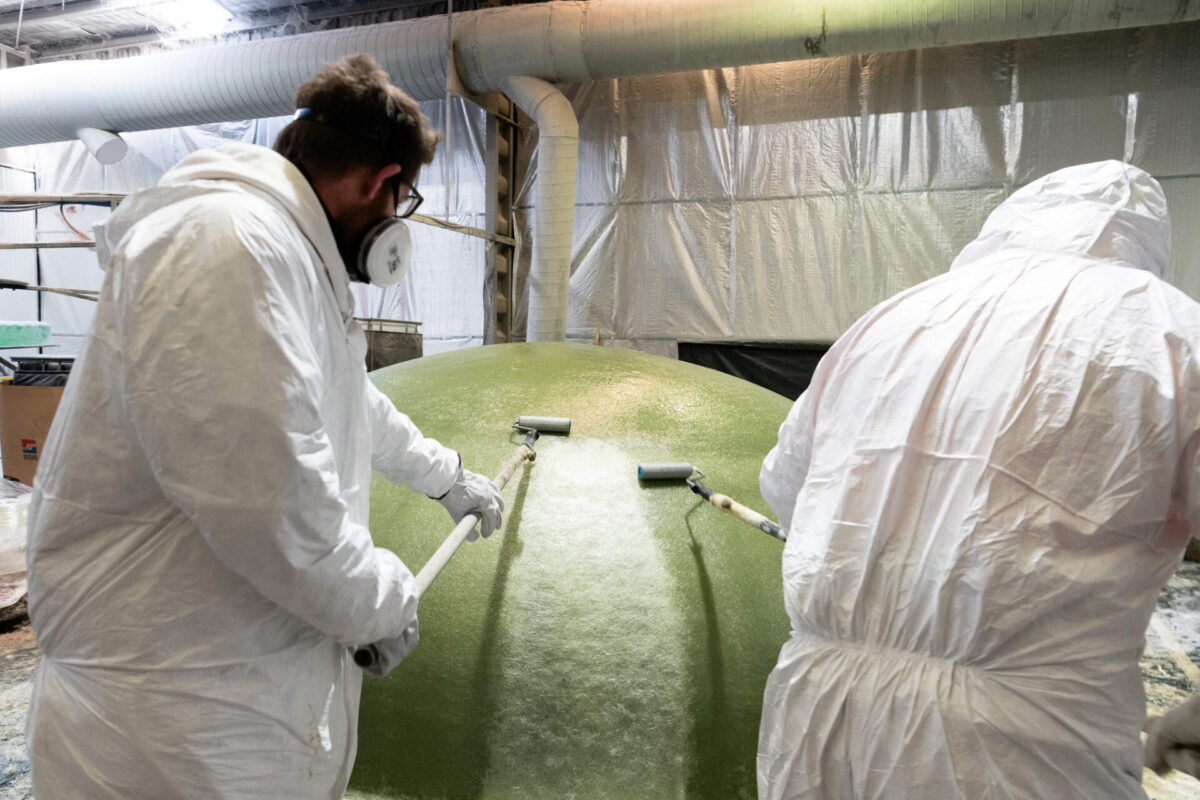
Maintaining an FRP tank doesn’t have to be a mystery. Fibreglass-reinforced plastic (FRP) tanks are valued for their corrosion resistance and durability, but they still require care to deliver decades of service. This month-by-month guide from the team at CSG Composites summarises the checks, cleaning routines and safety protocols you need to keep your tank performing optimally all year round.
Quick Answer
Do FRP tanks Require Regular Maintenance Inspection?
Yes, you should schedule comprehensive internal inspections every 1–2 years. Clean the exterior with water as needed and only use FRP‑safe tank cleaning agents inside. By following this checklist, you’ll keep your tank compliant and running reliably for decades to come.
Why FRP Tank Maintenance Matters
Fibreglass reinforced plastic tanks are built to last. At CSG Composites, our tanks typically deliver over 50 years of service when cared for properly.
The combination of glass fibres and corrosion-resistant resin makes them lightweight and tough, but not completely maintenance-free. Neglect can lead to structural damage and environmental contamination. Temperature swings, chemical exposure and mechanical stress can eventually lead to micro-cracks and blisters in the laminate.
To avoid costly problems, after an initial 12 month exposure period implement an FRP tank maintenance program. This includes inspecting after commissioning, then scheduling external visual inspections every six months after a year’s operation, and internal inspections every one to two years following. It’s important to understand that early detection and preventive maintenance are key to long-term reliability.
Getting to know your FRP tank
Knowing the components and common stress points helps you plan maintenance. Key parts of FRP tanks include:
- Shell and lining – The structural body and corrosion‑resistant liner. Hairline cracks or blisters here could indicate resin degradation or impact damage.
- Seams and joints – Flanged seams, nozzles and manways are typical damage points. Regular inspections of gaskets, bolts and sealants are required.
- Supports and anchors – Tanks should sit on level plinths and be anchored independently from the piping. Movement can cause stress fractures.
- Accessories – Vents, overflow pipes, level sensors, valves and access ladders all require their own checks.
When your FRP tank is delivered, inspect it inside and out and verify all components against the packing list. Never roll the tank, ensure you lift it using the designated lifting lugs and avoid chains or cables that could abrade the exterior. Store panels and fittings in a clean, dry area until installation. These early precautions go a long way in preventing issues later in the tank’s life.
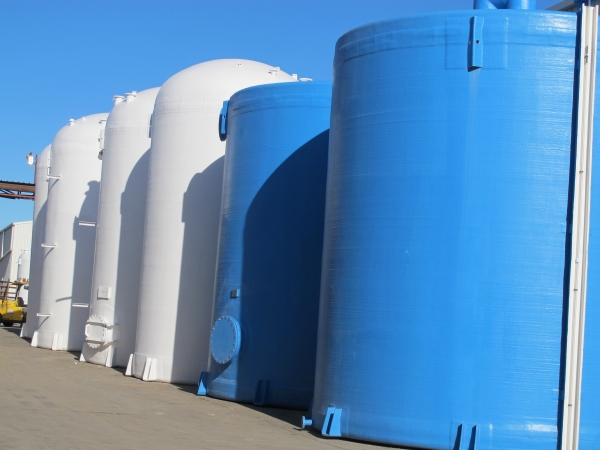
How to Maintain FRP Tanks: Month-by-Month Checklist
Our Composite tanks are as low maintenance, durable and tough as Australian made equipment come, but if you wish to take extra steps in ensuring they function long after our guarantee, then you can complete the following optional steps.
Month 1 – Establish the Baseline
Post-commissioning inspection: One month after start-up, visually inspect the tank for blisters or discolouration. Verify that the plinth is level, anchors are secure and pipes are independently supported.
Month 2 – Safety and Access
Manholes and safety gear: Check that manhole lids are secure, ensure PPE (gloves, eye protection and confined-space gear) is available and test gas detectors before any entry.
Month 3 – Structural Checks
Foundation: Check for signs of settling or movement around the plinth.
Month 4 – Exterior Tank Cleaning
Water wash: Hose down the exterior with plain water.
UV assessment: Look for chalking or fibre blooming and reapply UV-resistant coatings if needed.
Month 5 – Vents and Instrumentation
Vents and gaskets: Clear debris from air vents and overflow pipes and check that gaskets and seals are intact.
Instrumentation: Calibrate level sensors, gauges and temperature probes.
Month 6 – Mid-Year Inspection and Sun Protection
Conduct a mid-year visual inspection and document any changes. Depending on duty and regulations, schedule an internal inspection after filling and rinsing the tank.
Engage CSG’s FRP specialists for non-destructive testing to identify hidden defects.
Month 8 – Environment and Containment
Examine bunds, spill systems, ladders, platforms and handrails and ensure all access points have anti-slip protection.
Month 9 – Cleaning and Disinfection
Plan a deep clean at least every two years for water tanks, more often for chemical storage.
After draining and isolating the tank, clean interior surfaces with FRP-friendly detergents and soft brushes.
Disinfect, rinse thoroughly and allow to dry.
Month 10 – System Monitoring
Confirm chemical compatibility and monitor resin condition.
For water tanks, track pH and dissolved oxygen.
Month 11–12 – Year-End Planning and Compliance
Review maintenance logs.
Provide refresher training and conduct a full compliance audit.
Schedule internal inspections or relining during downtime.
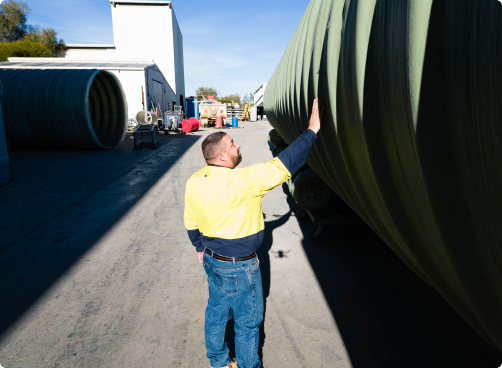
Routine Inspections – What to Look For
- Surface defects: Cracks, blisters, moisture stains or bubbles.
- Chemical/UV damage: Reapply UV protection as needed.
- Supports & safety: Check anchors, brackets and ladders for integrity.
Cleaning FRP Tanks
- Drain and isolate: Lock out pumps and mixers.
- Wash and scrub: Use FRP-approved detergents and soft brushes.
- Disinfect and dry: Rinse and air dry thoroughly.
- Pre-inspection fill: Refill with water before internal inspection.
Safety Protocols
Always work in pairs when entering a tank, use proper PPE, monitor air quality, follow lockout/tagout procedures, and ensure ladders and platforms meet Australian safety standards.
Your Partner in FRP Tank Maintenance, Inspection
At CSG Composites, our support goes beyond installation. We provide ongoing onsite inspections, repairs, and maintenance reports to keep your FRP tanks operating at peak performance. Our qualified team can also assist with troubleshooting, spare parts, and preventive maintenance.
We’re a safety-first business, holding the highest Australian certifications, including:
- ISO 9001:2015 – Quality Management System
- ISO 45001:2018 – Occupational Health and Safety
- PAS 99:2012 – Integrated Management System
These accreditations reflect our commitment to quality, compliance, and reliability across every industrial tank maintenance, fibreglass inspection, and FRP repair service.
Choose CSG for Lasting Tank Performance
FRP tanks deliver reliable, corrosion-resistant storage, but longevity depends on proactive care. Follow our certified FRP maintenance checklist to ensure lasting performance.
For inspection or industrial tank maintenance services, speak to our team.
Frequently Asked Questions
How often should FRP tanks be inspected?
After commissioning, inspect FRP tanks monthly and plan external inspections every six months.
What is the lifespan of an FRP tank?
With consistent routine maintenance, our FRP tanks last 50 years or more.
How do I clean a fibreglass tank safely?
Drain, wash, scrub, disinfect and dry thoroughly.
Can FRP be repaired?
Yes, FRP tanks can be professionally repaired using fibreglass patching or re-lamination to restore full strength and prevent leaks. We provide onsite FRP tank repair services that meet Australian standards for safety and quality.
Industry Success
Client Testimonials
Scott Morris,
Radium
“It’s their knowledge of composites and FRP, the materials, the resins. It’s the experience they bring to the table with knowing the right compounds to put together is what makes the difference”
Jim Kelly,
Arris
“CSG Composites were very good to us as they were able to meet the short lead time and have the tanks ready to go”